Promoting and managing climate adaptation and carbon markets requires a dual-track approach: building physical and social resilience (adaptation) while creating economic incentives for decarbonization (carbon markets).
At the national and regional levels, these initiatives translate high-level international agreements, like the Paris Agreement, into actionable policies and tradeable assets.
The Cap
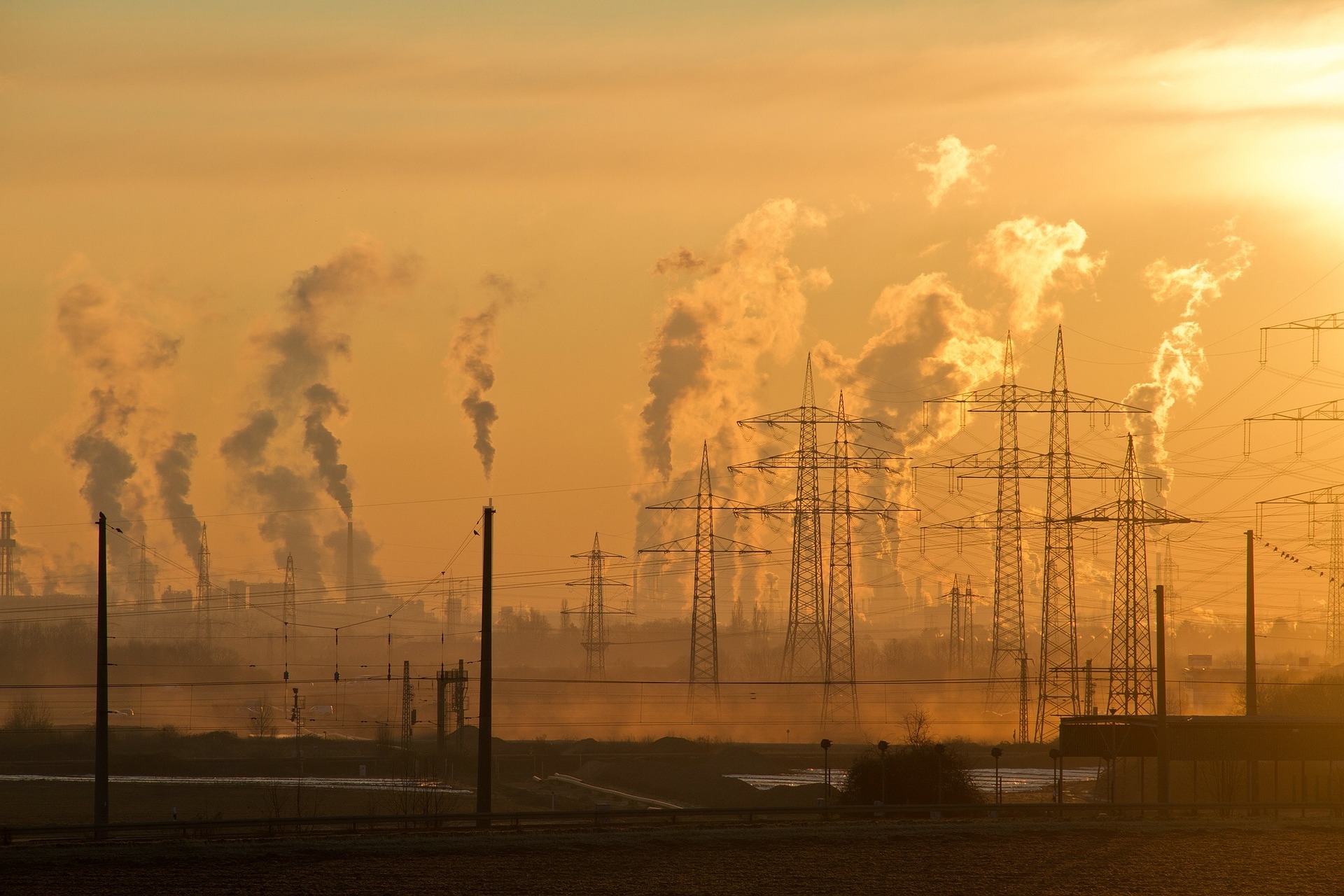
The government sets a limit on the total emissions allowed in specific sectors (like power or heavy industry)
The Trade
Companies that emit less than their limit can sell their "extra" allowances to companies that exceed theirs
Examples
The EU Emissions Trading System (EU ETS) is the world’s largest regional market. Countries like China, India, and South Korea have also launched national-level schemes.
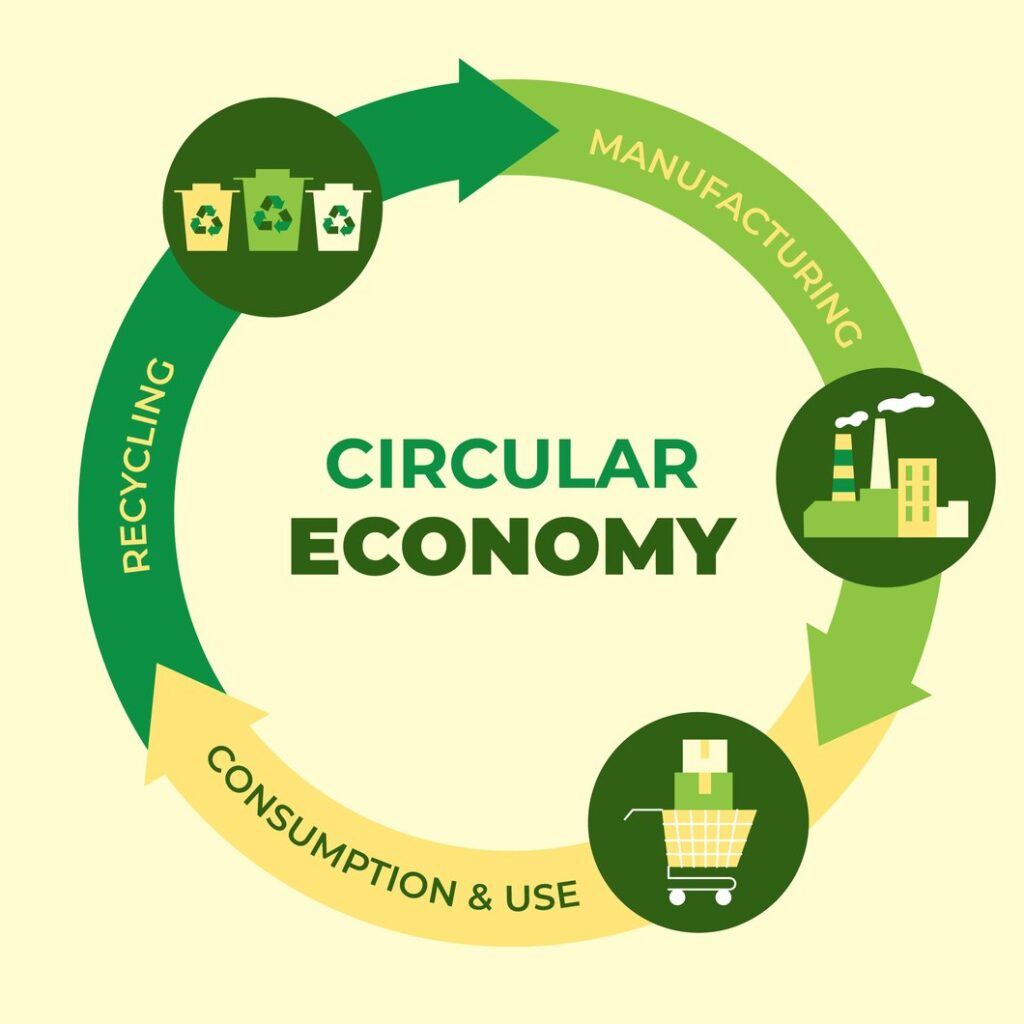
The circular economy moves away from the “take-make-dispose” model. Technical support focuses on turning “waste” into a resource for the next production cycle
Nutrient Cycling: Implementing large-scale composting or biochar production where crop residues are returned to the soil rather than burned. Waste-to-Energy: Providing technical setups for anaerobic digesters that convert livestock manure into biogas for energy and liquid digestate for fertilizer. Water Recirculation: Designing systems like aquaponics or greywater filtration to ensure water is reused multiple times within the farm. Biomass Utilization: Training on how to process agricultural by-products (like husks or stalks) into eco-friendly packaging, animal feed, or mulch.